

Zari Borders and Motifs for a Royal Red Bridal Lehenga

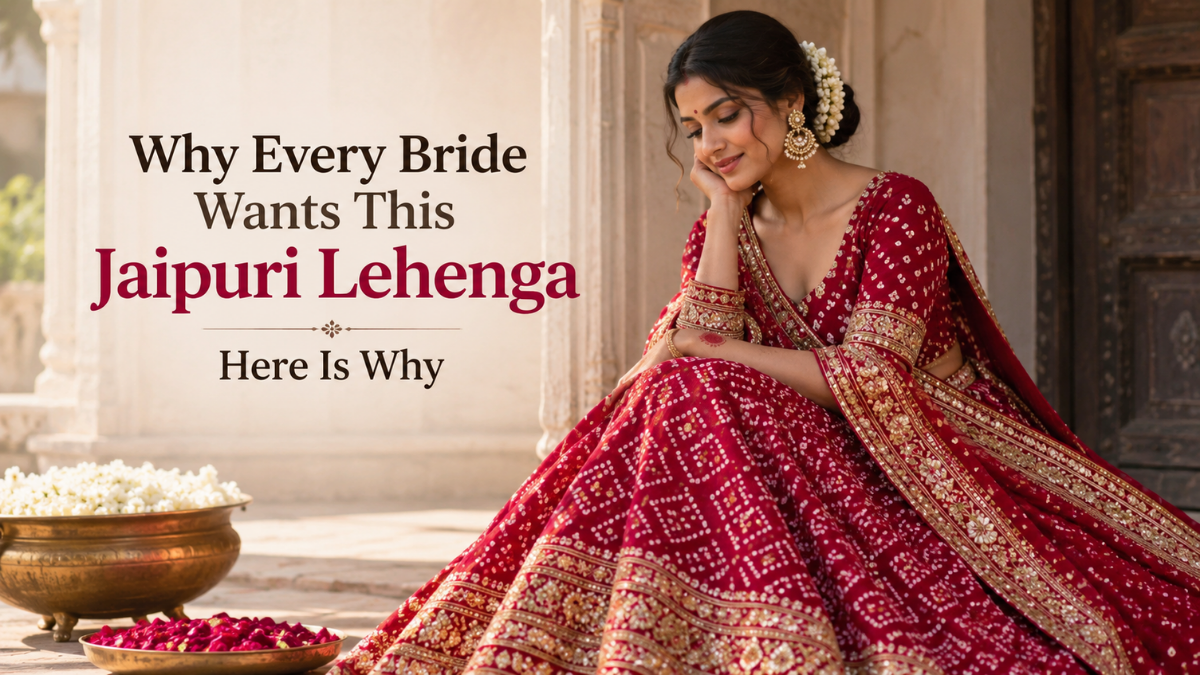
When you picture a classic North Indian bride, chances are you see a royal red bridal lehenga with rich zari lighting up every move. The shade already holds power on its own, so the borders and motifs you add on top carry a lot of responsibility. They can make the lehenga look temple-traditional or very modern, light on the eyes or heavy and royal.
If you are leaning toward a blood red colour base and you are shopping details like border width and pattern, it helps to know what each choice really does. Let us walk through zari borders and motifs in simple language, so you can read a product photo and know exactly what you are saying yes to.
Why Royal Red Loves Zari So Much

Red signals shagun, joy, and new beginnings. When you choose a blood red colour royal red bridal lehenga, the fabric already carries depth. Zari sits on top like light on water. Gold or antique metal thread warms the red even more, while softer, dull zari keeps things gentle.
On stage or near the mandap, zari catches light before anything else. Guests may not see small details, but they feel the overall border line and the way motifs pull the eye around the skirt. Good zari work frames the bride rather than stealing attention for itself.
If you want to see how different shades change mood on their own, our blog about colour symbolism in bandhani sarees is worth reading to know how other tones behave in real outfits.
Border Width: Slim Lines or Bold Frames

When you look at a lehenga online, your eye goes straight to the hem. That lower border silently sets the tone.
- A slim zari border gives a neat, polished edge. It works well if the body of the skirt has heavy jaal work or many motifs. For petite brides, narrow borders stop the frame cutting height.
- A broad border feels more royal and grounded. On a plain blood red base with limited motifs, a deep, detailed border in antique zari can carry most of the drama without making the lehenga look busy.
Scalloped borders soften the look and suit softer fabrics like georgette or satin-silk. Straight borders with stacked lines feel sharper and pair nicely with structured raw silk. When you read about a royal red bridal lehenga price, see if the work sits only in borders or across the whole skirt. The more surface covered in tight zari, the more labour value hides in that tag.
Motifs That Suit Royal Red

Zari motifs act like language on the skirt. Floral vines and bels curve with the body and suit most heights. On a heavy royal red bridal lehenga, soft florals keep things romantic in trails or neat clusters.
Paisleys bring a stronger traditional mood. A row of large paisleys at the border with tiny butis above works well for main pheras with temple jewellery. Peacocks and elephants add a festive feel and suit brides who enjoy narrative detail. Geometric jaal with diamond grids and simple arches feels more contemporary and can make a red and royal blue bridal lehenga look modern.
For a closer look at how small dots and repeats build cultural stories in designs, read about chunari print in sarees which makes it so culturally special walks through motifs that carry emotion as well as style.
Zari With Contrast: Red and Royal Blue

Many brides like a red and royal blue bridal lehenga. Here zari has to link two strong colours so they do not clash. Gold zari usually ties red and blue together smoothly. A royal red skirt with broad gold border and a royal blue dupatta that repeats the same zari line looks like one planned set.
If the skirt is a plainer blood red colour royal red bridal lehenga and motifs sit on a blue blouse or dupatta, zari pulls the eye upward. Repeat at least one motif across both colours so the story feels joined.
If you are also confused about metal tones on strong colours, our guide about silver vs gold with blue leheriya what to pick gives a clear view of how each metal shifts the feel of bold sarees.
Reading a Royal Red Bridal Lehenga Online
When you shop a royal red bridal lehenga online, zoom in on hem, mid skirt and blouse. Check border width, motif spacing and zari around the neckline and sleeves. Antique zari looks vintage, bright gold pops in low light, and tonal zari gives a gentle texture. A higher royal red bridal lehenga price usually means denser hand work; low prices often signal lighter, more machine based embroidery.
On KCPC Bandhani you can zoom into close photos of borders and motifs, so these details feel clearer before you buy. For online shopping steps in simple language, your guide to shopping bandhej saree online shows how to use photos, size charts, and returns to feel safer before you click buy.
Conclusion
Zari does not just shine on a royal red bridal lehenga. It is structured, story, and balanced in thread form. The borders set the frame, the motifs set the mood. When both match your body comfort and wedding setting, red does the rest of the work on its own.
If you want to shortlist at home first, KCPC Bandhani gives a simple range of royal red lehengas that you can later match with your own jewellery and venue.
Look once with your eyes and once with your instincts. If a border makes you stand taller instead of shrinking, that lehenga is already close to right.
FAQs
1. Are broad zari borders better than slim ones on royal red lehengas?
Broad borders feel more royal, slim borders feel lighter. Pick broad if the skirt body is plain, and slim if the skirt already has heavy jaal or many motifs.
2. Which motifs suit a blood red colour royal red bridal lehenga most?
Florals and paisleys are the safest, since they flatter most heights and body types. Peacocks or elephants suit brides who like strong traditional storytelling details.
3. Does zari look good on georgette or only on silk lehengas?
Zari sits beautifully on both. Silk gives more structure and a richer base, while georgette or satin-silk show more movement and flow when you walk or twirl.
4. How can I stop a zari-heavy lehenga from feeling too loud?
Balance heavy zari with softer makeup and a calmer dupatta. You can also keep blouse work lighter, so most of the shine sits near the hem rather than near the face.
5. Is a red and royal blue bridal lehenga harder to style than pure red?
Not if the zari connects both colours. Use similar borders and one shared motif on red and blue panels, then keep jewellery in one clear metal tone so the set feels unified.