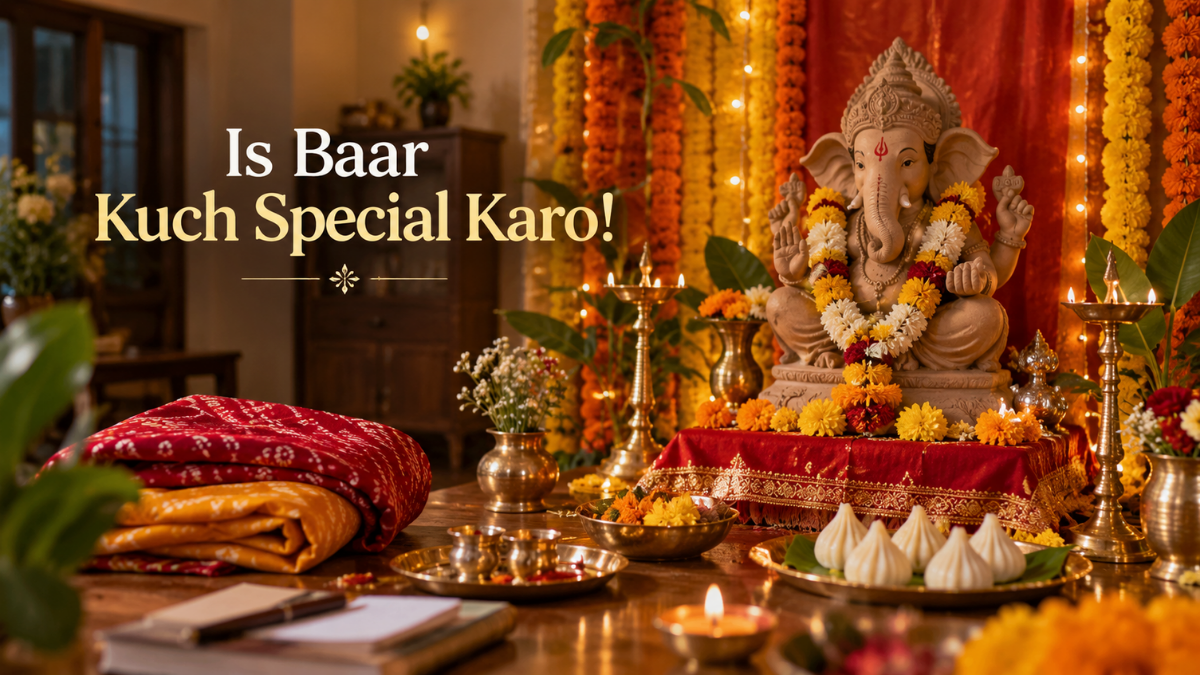


Step by Step Puja Guide for Marwadi Chunri Pila at Home

Marwadi chunri pila puja at home is simple. Clean the puja space, light a diya, set your intent, offer the yellow chunri to your Devi or family deity, then close with aarti and prasad. The chunri is the “blessing cloth” in this puja, so cleanliness and calm handling matter more than fancy items.
Today’s guide follows common home puja structure used across many Hindu homes, plus the cultural link between pila (yellow) and haldi symbolism.
What You Need For This Puja
Keep it basic. You can do this puja even on a busy morning.
Must-have items
- A clean chowki or puja shelf
- Idol or photo of your Devi or family deity
- Marwadi chunri pila (folded and clean)
- Diya and oil or ghee
- Incense stick (optional)
- Flowers or akshat (rice)
- Water in a small lota
- Naivedya (fruit or a sweet)
Optional items
- Kalash setup (only if your home does it regularly)
- Bell (if you use one)
- Kumkum and chandan
If you want a pila chunri that is easy to fold and stays neat, KCPC Bandhani keeps bandhej-style options that work well for home puja use.
Which Deity Is This Puja Best For?
This puja fits Devi worship best, since chunri offering is strongly linked with Devi devotion in many homes. Still, you can do it for your family deity, especially if your home already offers cloth as a symbol of respect.
If you are unsure, do it for your Kuldevi or for Durga. Keep it simple.
Step 1: Quick Timing Plan That Works On Most Days
You can finish this in 12 to 15 minutes. Use this flow:
- Setup and cleaning: 3 minutes
- Main puja steps: 7 to 9 minutes
- Aarti and closing: 2 to 3 minutes
If you have more time, slow it down. If you have less time, still do the steps in the same order.
Step 2: Clean The Space And Yourself
Start clean. This is the step that decides the mood of the puja.
Do this:
- Wipe the chowki, then place a clean cloth on it.
- Wash hands and face, then wear clean clothes.
Not that:
- Do not start puja in the middle of household clutter.
- Do not place the chunri on a chair or bed before puja.
Step 3: Set The Puja Spot

Place the deity at the centre, then keep items on one side so your hands do not knock things over.
A clean layout:
- Idol or photo at the back
- Diya and incense in front
- Water and naivedya on the side
- Chunri folded, placed on a clean plate
Small detail that helps: keep a small bowl or plate just for used flowers and incense ash.
Step 4: Light The Diya And Ground The Moment
Light the diya first. It marks the start of worship.
Do this:
- Light the diya, then sit for 10 seconds in silence.
- Keep your phone away or on silent.
Not that:
- Do not keep the chunri near the diya flame.
- Do not light incense in a tight spot where smoke hits the chunri.
Step 5: Say Your Sankalp In Plain Words
Sankalp is simply your intent. One honest line is enough.
Example (say it in your language):
- “I am doing this puja for peace at home and blessings for my family.”
- “I offer this chunri with respect and devotion.”
Do not overthink the wording. The point is sincerity.
Step 6: Offer Water And Akshat
Offer a small amount of water and a few grains of rice as a sign of respect.
Do this:
- Sprinkle a few drops of water near the deity space.
- Offer akshat at the base of the idol or photo.
Not that:
- Do not pour water directly on photos.
- Do not make the space wet where the chunri might touch later.
Step 7: The Main Step, Offering The Marwadi Chunri Pila

Offer the chunri like you would offer a respectful covering, not like you are “decorating” the deity.
How to do it step by step
- Hold the folded chunri in both hands.
- Raise it slightly near your forehead as a respect gesture.
- Place it on the deity in the way your home allows.
Safe placement options that work in most homes
-
Option A: Backdrop offering
Fold the chunri into a neat rectangle and place it behind the idol or photo. -
Option B: Shoulder style offering for the idol
Place a corner across the idol base, then keep the rest folded. This avoids messy drapes. -
Option C: Plate offering
Place it on the puja plate near the deity as a symbolic offering, especially if your idol is small.
Do this:
- Keep the chunri edges neat.
- Keep the fabric fully off the diya and incense zone.
Not that:
- Do not wrap the idol tightly.
- Do not force the chunri into a small space and crush garlands.
KCPC Bandhani chunris work well here because bandhej dots still look traditional even with a simple fold.
Step 8: Offer The Five Simple Upachars
You can follow a basic five-offering style. It keeps the puja structured without needing many items.
Offer these in order:
- Gandha (chandan) or a small pinch of kumkum
- Pushpa (flower) or akshat
- Dhup (incense)
- Deep (diya, already lit)
- Naivedya (fruit or sweet)
Do this:
-
Offer one item at a time, then pause for a second.
Not that:
-
Do not rush and drop things on the chunri.
Step 9: Short Mantra Or Naam Jaap
Pick one short line and repeat it 11 times. Consistency matters more than length.
Examples (choose one):
- “Om Durgaaye Namah”
- “Jai Mata Di” (simple and common)
- “Om Shakti Namah”
Do not stack many mantras. One is enough.
Step 10: Aarti And Closing
End with a small aarti, then a gratitude line.
Do this:
- Rotate the aarti plate slowly, then keep it down.
- Say a simple thank you line.
Not that:
-
Do not keep the aarti plate too close to the chunri.
Step 11: Prasad And Post Puja Care Of The Chunri

Decide what the chunri is going to be after puja: keepsake, mandir-only cloth, or occasional use.
If the chunri is mandir-only
- Fold it neatly.
- Store it in a clean cloth bag.
- Keep it separate vs daily dupattas.
If the chunri is a keepsake
- Keep it clean and dry.
- Store it with tissue paper between folds.
Do this:
-
Air it in shade if the incense smell stays.
Not that:
- Do not store it damp.
- Do not spray perfume on it.
If you want a dedicated mandir chunri and a separate “function chunri,” KCPC Bandhani makes that easy since you can keep the same cultural look across two pieces.
Do This Not That Rules That Prevent 90 Percent Of Mistakes
Do this
- Keep the chunri folded till the exact offering step.
- Keep the diya zone and chunri zone separate.
- Use light flowers and clean hands.
Not that
- Do not place the chunri on the floor at any point.
- Do not let kids play with the chunri during puja.
- Do not mix temple-offered chunri with daily wear later.
FAQs
1) Can this puja be done daily?
Yes, if your home follows daily puja. Keep the steps short, keep the chunri dedicated for mandir use, and repeat the same mantra each day.
2) What if I do not have flowers?
Use akshat. A small pinch offered with respect is enough for many homes.
3) Can I do this puja without kalash?
Yes. Kalash is optional. The diya, the intent, and the chunri offering are the core parts.
4) Should the chunri touch the idol?
Only if your setup allows it safely. If the idol is small, a plate offering or backdrop fold works better and stays tidy.
5) Can I reuse the same chunri after puja?
Yes, if it stays clean and you keep it for mandir use. Many families avoid using a mandir chunri as casual wear later.